Have a Look on Our Valuable Reviews Given By Our Existing Clients
Read actual real-time feedback and direct ratings from checked buyers nationwide.
View Google ReviewsAadhaar Enabled Biometric Attendance System : Everything You Need to Know Before Buying AEBAS
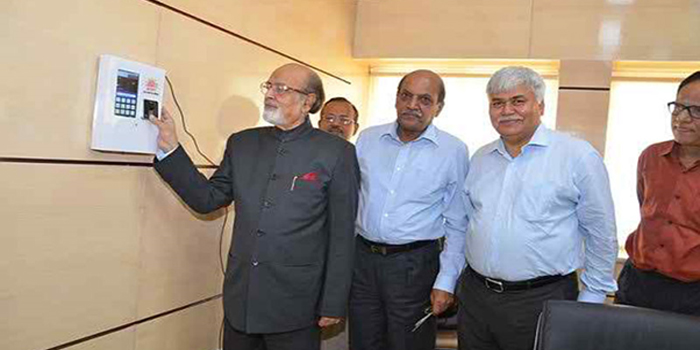
Walk into any government office in Delhi and you'll notice something that's quietly changed over the last few years. No more paper registers on the front desk. No more employees signing in for colleagues who haven't arrived yet. What replaced all of that? A biometric attendance system tied directly to Aadhaar, India's national identity database.
If you're running a school, managing a government department, or overseeing a corporate office and still dealing with attendance headaches, this guide covers exactly what AEBAS does, why organisations across India are adopting it, and what to look for when you're ready to install one.
What Is a Biometric Attendance System?
A biometric attendance system records when employees or students arrive and leave, using physical identifiers instead of cards, passwords, or paper. The most common identifiers are fingerprints and iris scans because they're unique to every individual and can't be shared, lost, or forgotten.
Unlike older punch-card systems or swipe-card setups, biometric systems verify that the actual person is present. That's the single most important distinction. Cards can be handed to a colleague. Fingerprints can't.
Modern biometric attendance systems connect directly to a centralised database, generate automated reports, and update attendance records in real time. For organisations managing large teams across multiple locations, that kind of live visibility changes how managers operate day to day.
What Is AEBAS Specifically?
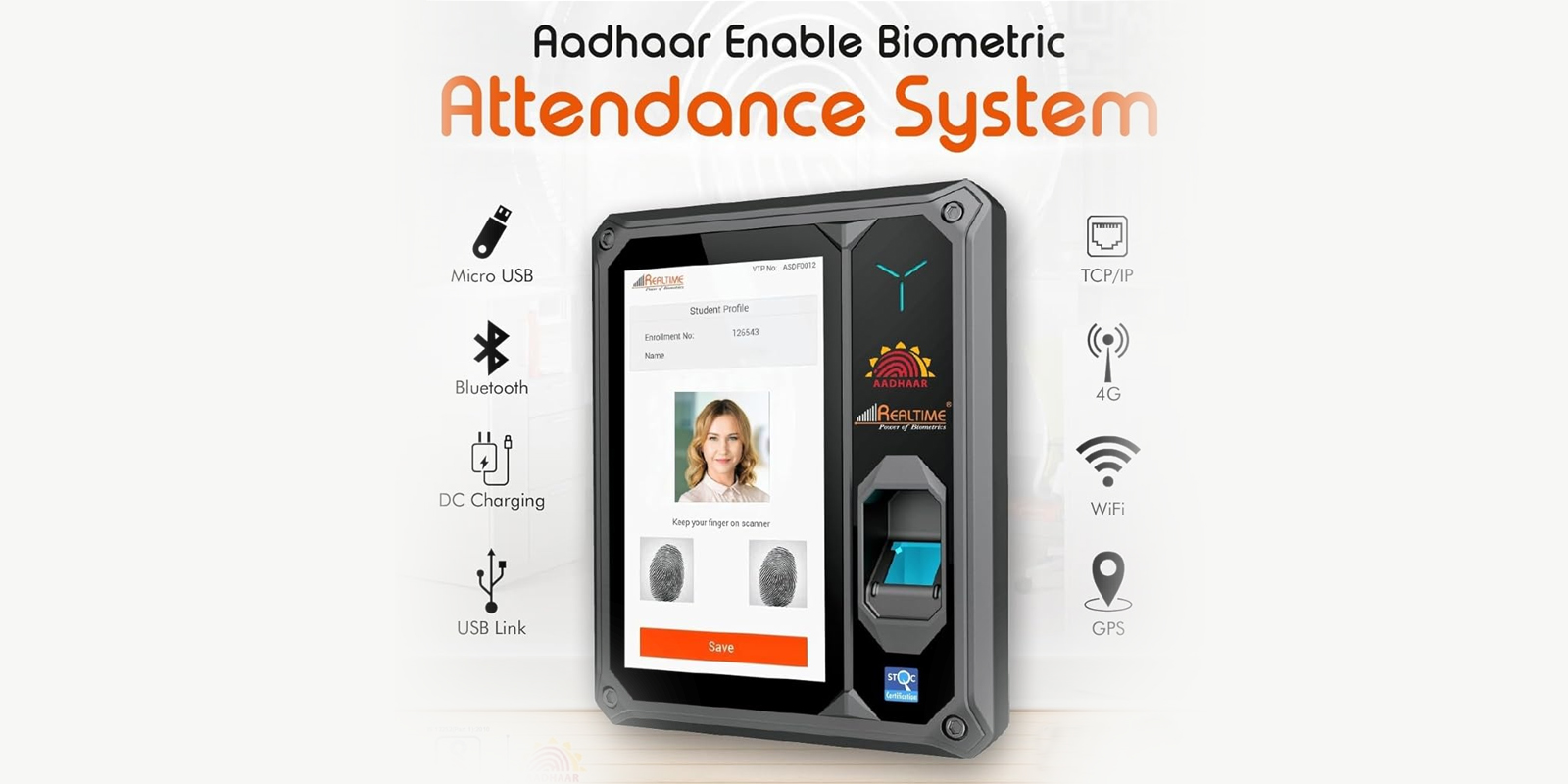
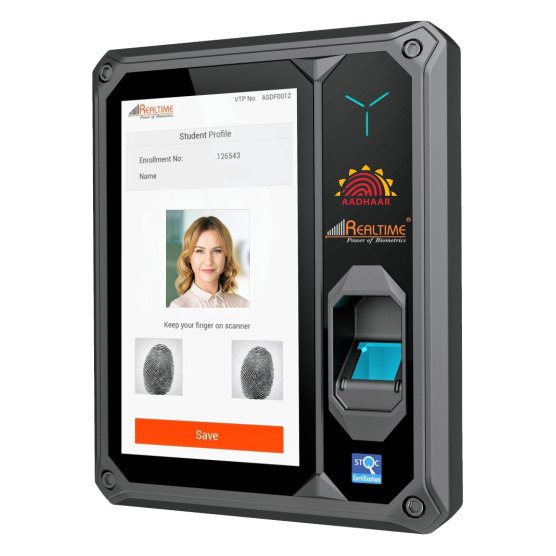
AEBAS stands for Aadhaar Enabled Biometric Attendance System. It's the government-mandated version of a biometric attendance machine that links identity verification to an employee's Aadhaar number, the 12-digit unique identification number issued by the Unique Identification Authority of India (UIDAI).
Verification matches biometric scans directly against UIDAI records locally or in real-time, removing all proxy risks instantly.
How the verification process works in practice:
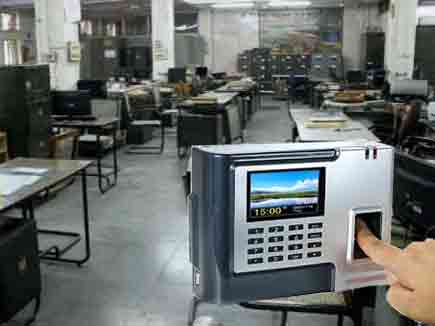
- An employee walks up to the biometric terminal.
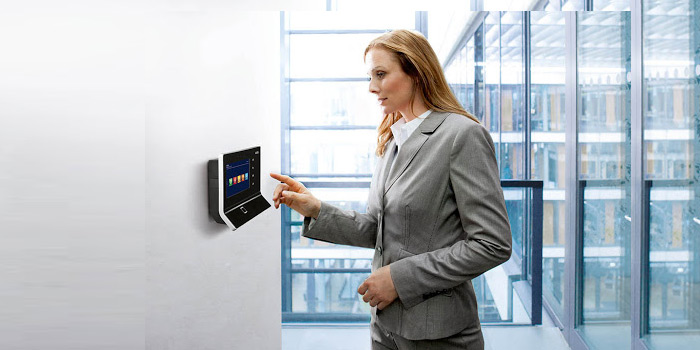
- They scan their fingerprint or iris.
- The system matches the scan against their Aadhaar-linked record.
- If the match is confirmed, attendance is recorded instantly.
- The entry syncs to a centralised dashboard accessible to HR and management.
Key Features of the AEBAS Biometric Attendance System
Not all biometric attendance systems are built the same. The AEBAS infrastructure includes several features that make it reliable enough for government-scale deployment.
Aadhaar-based identity verification
Linking identity directly to UIDAI secures absolute verification accuracy and prevents internal database tampers.
Fingerprint and iris recognition
Dual modality support ensures high performance and reliable backup for diverse operational conditions.
Centralised, cloud-connected database
Enables cross-office log compilation into a singular, easily managed corporate dashboard.
Real-time monitoring
Instantly flags exceptions, late logs, or staffing shortages at the exact moment they occur.
Automated report generation
Daily summaries, weekly attendance sheets, and monthly payroll-ready reports generate automatically.
Tamper-proof audit trail
Every check-in is securely timestamped and logged, preventing post-facto adjustments or edits.
Benefits of Installing a Biometric Attendance System in Your Organisation
1. Attendance Accuracy You Can Actually Trust
Manual systems depend entirely on human entries. Biometric systems automate calculations directly at raw check-in, preventing payroll run errors.
2. Proxy Attendance Becomes Impossible
Eliminates buddy punching completely. Every scan matches actual human profiles, ensuring complete legal and financial accountability.
3. HR Teams Save Hours Every Week
Say goodbye to sorting manual registers. Pre-structured spreadsheets and reports compile directly, freeing up critical HR hours.
4. Management Gets Real-Time Visibility
Allows instant deployment decisions, accurate class checking, and secure cross-office supervision at the click of a button.
5. Compliance and Audit Readiness
Delivers standard compliant logs with tamper-proof auditing, essential for government institutions and schools.
6. Payroll Integration Reduces Disputes
Syncs timestamps natively with financial registers, ending administrative friction and employee disputes.
7. Scales Without Adding Administrative Cost
Enrolling thousands of users requires nothing more than a baseline machine upgrade, protecting operations from added headcount costs.
Who Should Install an AEBAS Biometric Attendance System?
- Government offices at Central and State levels AEBAS was designed specifically for this context. If you're managing a government department and haven't yet installed a compliant biometric attendance system, it's worth understanding what the current rollout looks like for your department.
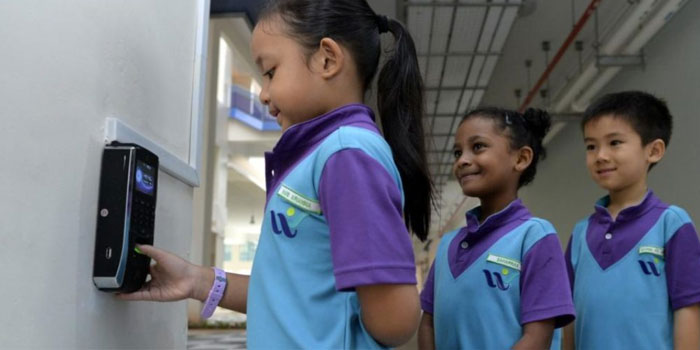
- Schools and educational institutions Staff accountability matters in schools, and so does the ability to track attendance patterns over time. A biometric attendance system gives school administrators clean data without the overhead of manual tracking.
- Corporate offices and private businesses The same benefits that make AEBAS valuable for government use apply directly to private organisations. Accurate records, fraud prevention, and automated reporting systems make it a highly cost-effective upgrade.
- Hospitals, factories, and logistics Ensures optimal operational alignment, manages shifts dynamically, and handles intensive multi-layered rosters seamlessly.
Biometric Attendance System vs. Manual Attendance: A Practical Comparison
| Feature | Manual System | Biometric Attendance System |
|---|---|---|
| Proxy attendance risk | High | Eliminated |
| Data accuracy | Dependent on input | Automated, consistent |
| Report generation time | Hours to days | Instant |
| Real-time visibility | None | Live dashboard |
| Payroll integration | Manual | Automated |
| Audit readiness | Difficult | Always ready |
| Scalability | Limited | Multi-location, unlimited staff |
Why Choose Smart Safety Power of Realtime Biometrics?
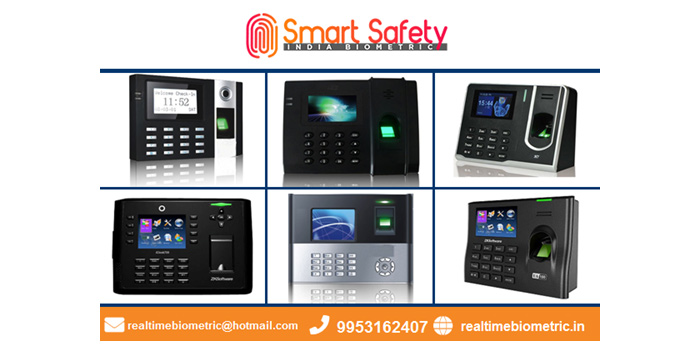
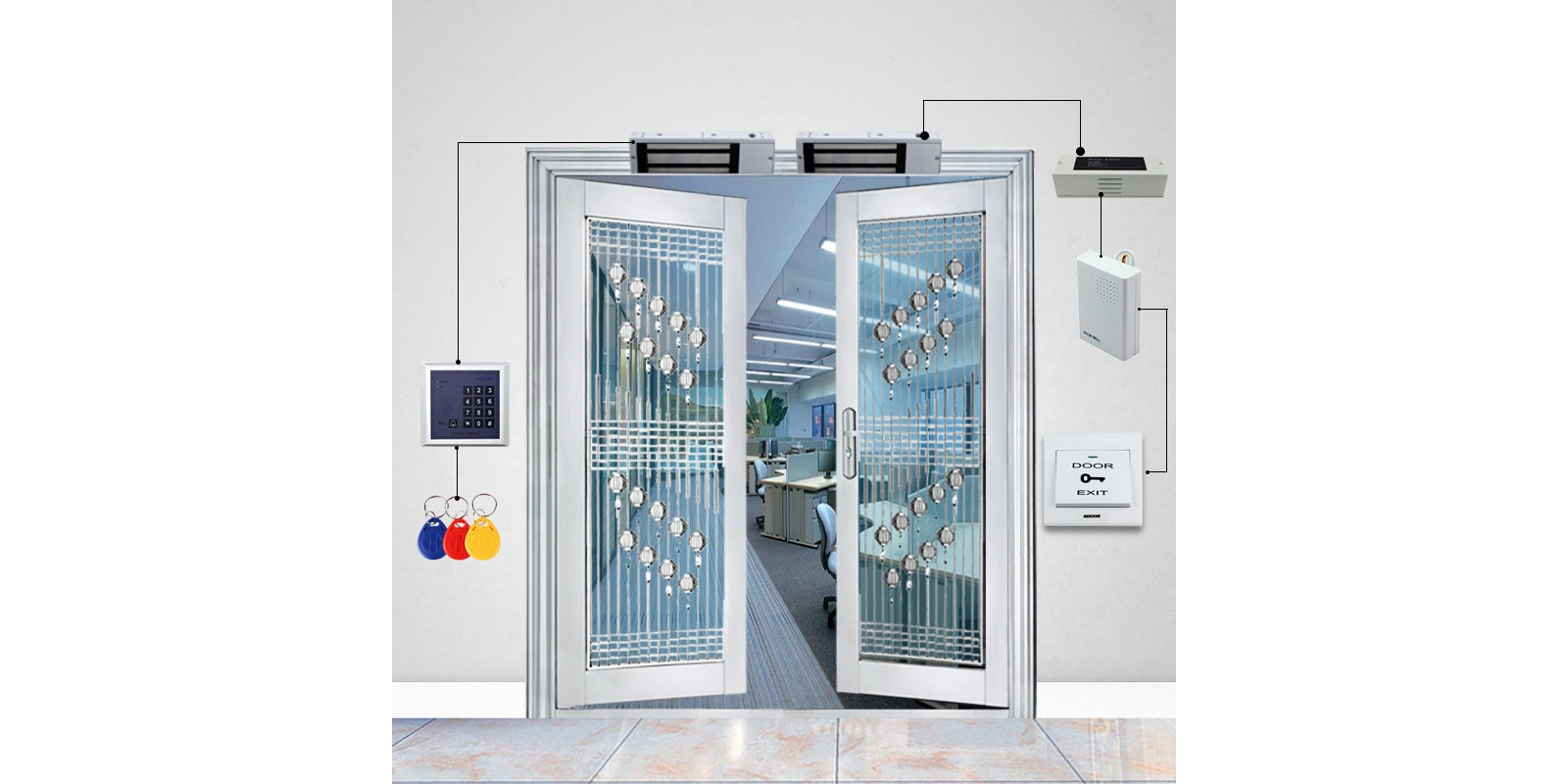
At Smart Safety Power of Realtime Biometrics, our products range includes biometrics attendance system, real time attendance machine, fingerprint door access, biometric fingerprint reader, access control systems, door access control system, Face Attendance System, Fingerprint Scanner system and the likes. We are an ISO 9001: 2008 certified company and provide worth-talking goods and service of for all our products in all parts of India.
Frequently Asked Questions
Is AEBAS mandatory for government employees?
Yes. The Government of India has mandated biometric attendance for Central Government employees through the AEBAS platform. Many State Governments have adopted similar requirements to ensure absolute verification transparency.
Can a biometric attendance system work across multiple office locations?
Yes. Multi-location deployments are standard. Each terminal connects to the same centralised database, so attendance from any location is visible from one centralised dashboard screen in real time.
What happens if an employee's fingerprint doesn't scan correctly?
Modern biometric attendance systems include iris scanning as an alternative. For employees whose fingerprints are difficult to read consistently, iris recognition provides a robust, fail-safe backup.
Does a biometric attendance system integrate with payroll software?
Most systems do. Smart Safety's AEBAS setup is designed to connect with common payroll platforms, reducing manual data transfer errors between HR and finance teams.
How long does installation take?
For a single office location, physical installation and setup typically complete within a single working day. Larger multi-branch rollouts are managed on custom scheduled deployment timelines.
Is the attendance data stored securely?
Yes. Data is stored in an encrypted database. Access is strictly role-restricted, meaning only authorised HR and executive management personnel can view or export records.
Can a biometric attendance system be used in schools for student tracking?
Absolutely. Biometric attendance systems can be scaled and custom-configured for student tracking in school campuses. Smart Safety can advise on the right setup for your institution.
Ready to Install a Biometric Attendance System in Delhi?
If you're managing a government office, school, or private organisation in Delhi and want to move past the limitations of manual attendance tracking, Smart Safety Power of Realtime Biometrics can help you get the right system installed and running quickly.
Their team specialises in fingerprint and face recognition biometric attendance systems, works with government and institutional clients across Delhi NCR, and offers pricing that fits different budget requirements. Get in touch with Smart Safety Power of Realtime Biometrics today to discuss your requirements and get a quote for the right biometric attendance system for your organisation.